Mammalian Development and Tissue Hydraulics Laboratory

The Chii Jou Chan Lab

Our research aims to address two broad questions in developmental biology: How are tissue size and shape precisely controlled during early mammalian development? How is tissue geometry sensed and transmitted to the cellular level to impact cellular functions? How are mechanics and biochemical signalling integrated across multiple scales to ensure robust morphogenesis and patterning?

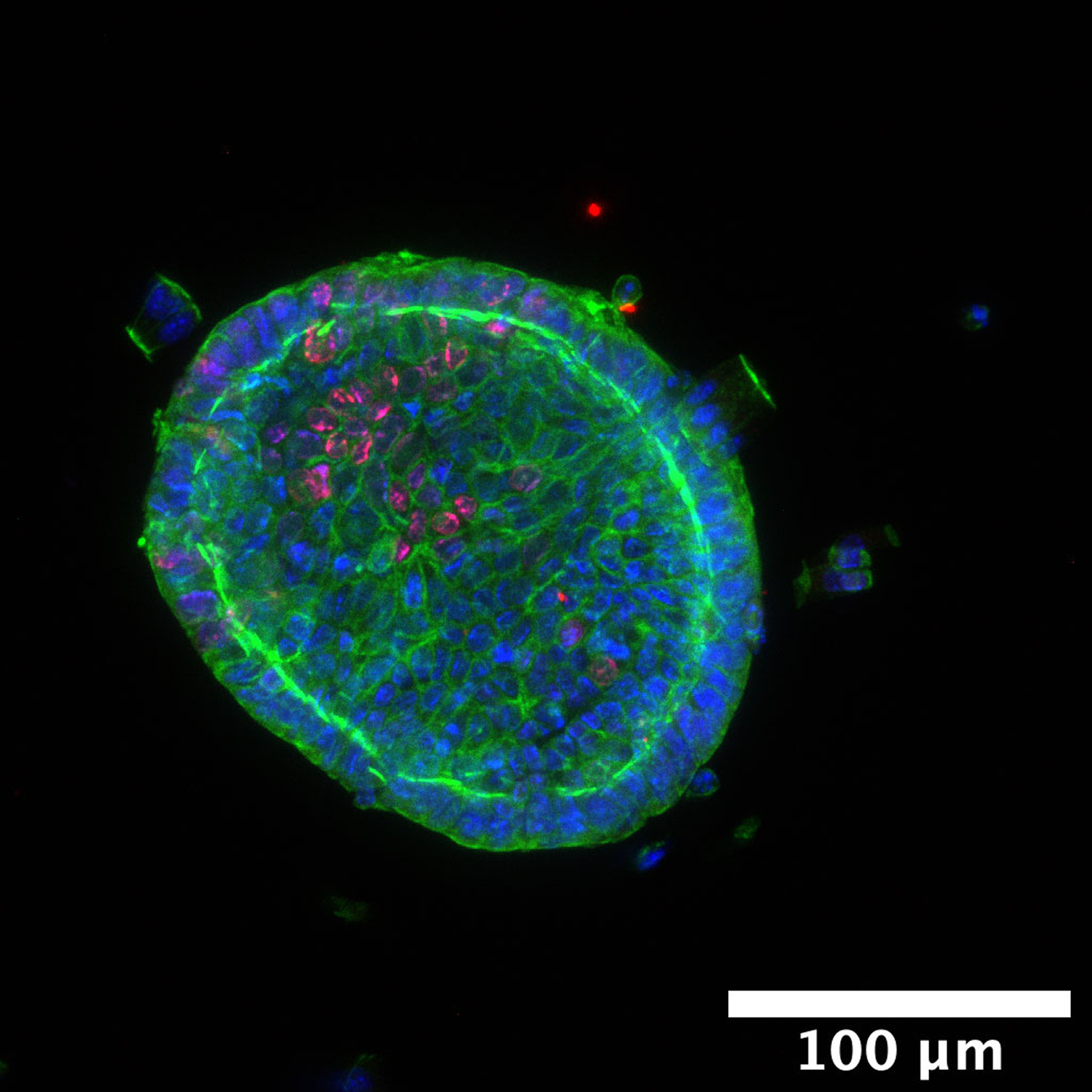
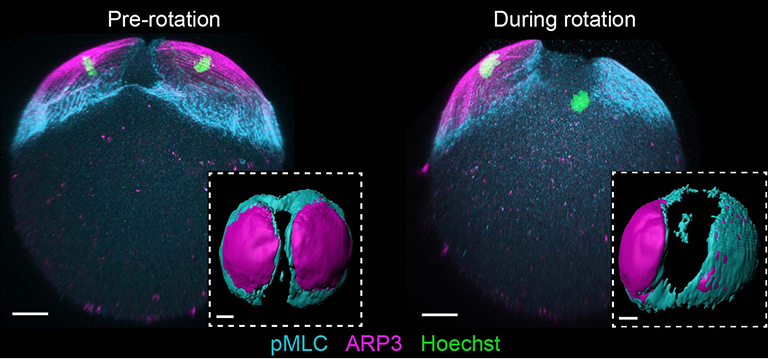
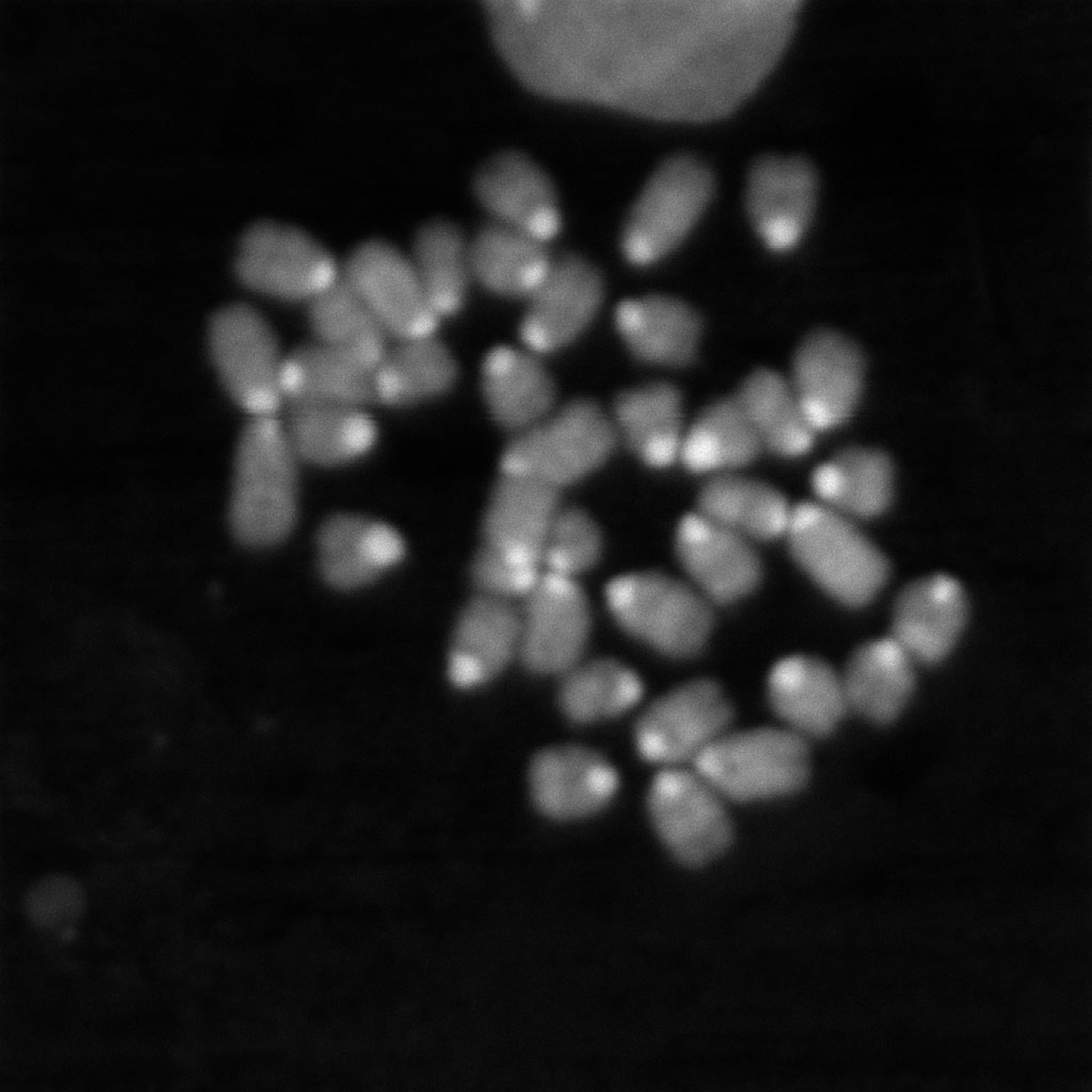
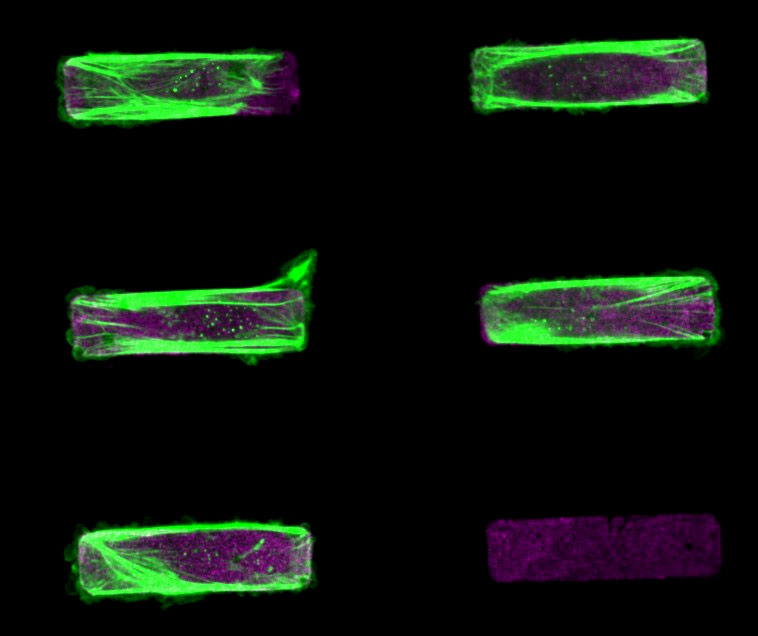
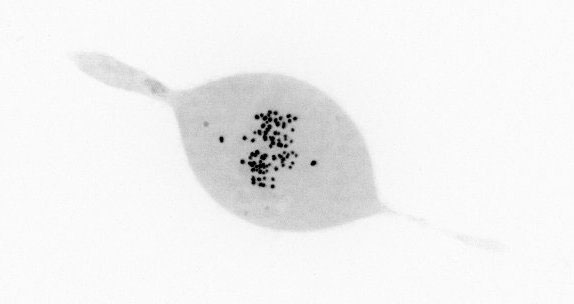
To address these fundamental questions, we focus on understanding mammalian follicle development, which is critical for the maturation of functional eggs for successful reproduction. We aim to identify the mechanobiology principles underlying mammalian follicle growth, and decipher the roles of tissue mechanics and fluid forces in oocyte quality control, using ex vivo mouse ovaries and follicle culture. A quantitative and mechanical understanding of folliculogenesis will deepen our understanding of reproductive biology and ageing, with important implications for assisted reproductive technology (ART), infertility treatment and mechano-therapeutics.
To address these fundamental questions, we focus on understanding mammalian follicle development, which is critical for the maturation of functional eggs for successful reproduction. We aim to identify the mechanobiology principles underlying mammalian follicle growth, and decipher the roles of tissue mechanics and fluid forces in oocyte quality control, using ex vivo mouse ovaries and follicle culture. A quantitative and mechanical understanding of folliculogenesis will deepen our understanding of reproductive biology and ageing, with important implications for assisted reproductive technology (ART), infertility treatment and mechano-therapeutics.
To address these fundamental questions, we focus on understanding mammalian follicle development, which is critical for the maturation of functional eggs for successful reproduction. We aim to identify the mechanobiology principles underlying mammalian follicle growth, and decipher the roles of tissue mechanics and fluid forces in oocyte quality control, using ex vivo mouse ovaries and follicle culture. A quantitative and mechanical understanding of folliculogenesis will deepen our understanding of reproductive biology and ageing, with important implications for assisted reproductive technology (ART), infertility treatment and mechano-therapeutics.
To address these fundamental questions, we focus on understanding mammalian follicle development, which is critical for the maturation of functional eggs for successful reproduction. We aim to identify the mechanobiology principles underlying mammalian follicle growth, and decipher the roles of tissue mechanics and fluid forces in oocyte quality control, using ex vivo mouse ovaries and follicle culture. A quantitative and mechanical understanding of folliculogenesis will deepen our understanding of reproductive biology and ageing, with important implications for assisted reproductive technology (ART), infertility treatment and mechano-therapeutics.
To address these fundamental questions, we focus on understanding mammalian follicle development, which is critical for the maturation of functional eggs for successful reproduction. We aim to identify the mechanobiology principles underlying mammalian follicle growth, and decipher the roles of tissue mechanics and fluid forces in oocyte quality control, using ex vivo mouse ovaries and follicle culture. A quantitative and mechanical understanding of folliculogenesis will deepen our understanding of reproductive biology and ageing, with important implications for assisted reproductive technology (ART), infertility treatment and mechano-therapeutics.

To address these fundamental questions, we focus on understanding mammalian follicle development, which is critical for the maturation of functional eggs for successful reproduction. We aim to identify the mechanobiology principles underlying mammalian follicle growth, and decipher the roles of tissue mechanics and fluid forces in oocyte quality control, using ex vivo mouse ovaries and follicle culture. A quantitative and mechanical understanding of folliculogenesis will deepen our understanding of reproductive biology and ageing, with important implications for assisted reproductive technology (ART), infertility treatment and mechano-therapeutics.

About Chii Jou (Joe) Chan

Chii Jou (Joe) Chan was trained in theoretical soft matter physics at the University of Cambridge (B.A., M.Phil.). For his Ph.D. with Prof. Jochen Guck at Cambridge and TU Dresden (Germany), he studied the mechanical and optical properties of living cells and nuclei, using biomechanical tools (optical stretcher, microfluidics) and biophotonics. Inspired by how physical forces shape early development of living organisms, he joined the group of Dr. Takashi Hiiragi as an EIPOD fellow at EMBL Heidelberg (Germany), where he made a major discovery in hydraulic regulation of mouse embryo size and cell fate specification. His interdisciplinary productivity is reflected in the diversity of his collaborators (cell and developmental biologists, experimental biophysicists, theorists) across the world.

Mechanobiology Institute
National University of Singapore
T-Lab, #10-01
5A Engineering Drive 1
Singapore 11273

Recent Publications

  1. Jaeschke A, Hepburn MS, Mowla A, Eckert H, Kennedy BF, Chan CJ. Protocol to study murine ovarian elasticity and composition in situ by integrating quantitative micro-elastography with light microscopy. STAR Protocols. (2026)
  2. Ng BH, Biswas A, Tomida K, Leong KW, … & Chan CJ. Theca cell mechanosensing and regulation of follicular extracellular matrix during ovarian follicle development. bioRxiv(2026)
  3. Biswas A, Lou YT, Ng BH, … & Chan CJ. Surface mechanics and compressive stress impact mammalian follicle development. Nat. Communications. (2025)
  4. Chan CJ. Editorial for special issue: Environmental control of oogenesis and ovulatory dynamics. Seminars in Cell & Developmental Biology(2025)
  5. Jaeschke A, Hepburn MS, Mowla A, Kennedy BF, Chan CJ. Three-dimensional quantitative micro-elastography reveals alterations in spatial elasticity patterns in murine ovaries during ageing. Communications Biology. (2025)
  6. Leong KW, Lou Y, … & Chan CJ. Critical phenomenon underlies de novo luminogenesis during mammalian follicle development. bioRxiv. (2025)
  7. Tomida K, Ong HT, Young JL, Chan CJCapturing ovarian dynamics through spatial profiling of the mechano-microenvironmentSeminars in Cell & Developmental Biology. (2025)
  8. Wohland T, Saunders TE, Chan CJ. Developmental biophysics. Biophysical Journal. (2025)
  9. Turley J, Leong KW, Chan CJ. Novel imaging and biophysical approaches to study tissue hydraulics in mammalian folliculogenesis. Biophysical Reviews. (2024)
  10. Jaeschke A, Hepburn MS, Mowla A, Kennedy BF, Chan CJ. Three-dimensional quantitative micro-elastography reveals alterations in spatial elasticity patterns of follicles and corpora lutea in murine ovaries during ageing. bioRxiv. (2024)
  11. Biswas A, Lou YT, Ng BH, Tomida K, Darpe S, Wu Z, Lu TB, Bonne I, Chan CJ. Theca cell mechanics and tissue pressure regulate mammalian ovarian folliculogenesis. bioRxiv. (2024)
  12. Hepburn M, Jaeschke A, Mowla A, Chan CJ, Kennedy BF. Three-dimensional characterization of murine ovary elasticity using quantitative micro-elastography. Optical Elastography and Tissue Biomechanics XI. (2024), PC128440B
  13. Bevilacqua C, Gomez JM, Fiuza U-M, Chan CJ, Wang L, Hambura S, Eguren M, Ellenberg J, Diz-Muñoz A, Leptin M, Prevedel R. High-resolution line-scan Brillouin microscopy for live-imaging of mechanical properties during embryo development. Nature Methods. (2023)
  14. Biswas A, Ng BH, Prabhakaran V, Chan CJ. Squeezing the eggs to grow: The mechanobiology of mammalian folliculogenesis. Front. Cell Dev. Biol. (2022)
  15. Chan CJ, Hirashima T. Tissue Hydraulics in Reproduction. Seminars in Cell & Developmental Biology (2022)
  16. Chan CJ, Bevilacqua C, Prevedel R. Mechanical mapping of mammalian follicle development using Brillouin microscopy. Comm. Biology (2021) 4 (1133)
  17. Yang Q, Xue S-L, Chan CJ, Rempfler M, Vischi D, Gutierrez F M, Hiiragi T, Hannezo E, Liberali. Cell fate coordinates mechano-osmotic forces in intestinal crypt morphogenesis.  Nature Cell Biology (2021).
  18. Roffay C*, Chan CJ*, Guirao B, Hiiragi T, Graner F. Inferring cell junction tension and pressure from cell geometry. Development (2021) 148 (18) dev192773.
  19. Bevilacqua C, Hambura S, Wang L, Chan CJ, Eguren M, Gomez Elliff JM, Diz-Muñoz A, Prevedel R. High-resolution line-scanning Brillouin microscopy for fast and low phototoxicity live-imaging of mechanical properties in biology. Elastography and Tissue Biomechanics VIII (2021), 11645
  20. Chan CJ, Hiiragi T. Integration of luminal pressure and signalling in tissue self-organisation. Development (2020) 147 (5), 1-10
  21. Ryan AQ, Chan CJ, Graner F, Hiiragi T. Lumen expansion facilitates epiblast-primitive endoderm fate specification during mouse blastocyst formation. Developmental Cell (2019) 51, 1-14.
  22. Chan CJ, Costanzo M, Ruiz-Herrero T, Mönke G, Petrie R, Bergert M, Diz-Munoz A, Mahadevan L, Hiiragi T. Hydraulic control of mammalian embryo size and cell fate. Nature (2019) 571:112-116
  23. Chan CJ, Heisenberg C-P, Hiiragi T. Coordination of morphogenesis and cell fate specification in development. Current Biology(2017) 27(18):R1024-R1035.
  24. Chan CJ, Hiiragi T. Keeping in touch to differentiate. Developmental Cell (2017) 43(2):113-114
  25. Chan CJ, Li W, Cojoc G, Guck J, Volume transitions of isolated cell nuclei induced by rapid temperature increase. Biophysical Journal (2017) 112(6):1063-1076
  26. Schürmann M, Scholze J, Müller P, Guck J, Chan CJ. Cell nuclei have lower refractive index and mass density than cytoplasm. Journal of Biophotonics (2016) 9(10): 1068-1076.
  27. Chan CJ, Ekpenyong AE, Golfier S, Li W, Chalut KJ, Otto O, Elgeti J, Guck J, Lautenschläger F. Myosin II activity softens cells in suspension. Biophysical Journal (2015) 108(8): 1856–1869
  28. Schürmann M, Scholze J, Müller P, Chan CJ, Ekpenyong AE, Chalut KJ, Guck J. Refractive index measurements of single, spherical cells using digital holographic microscopy. Methods in Cell Biology (2015) 125:143-159.
  29. Chan CJ, Whyte G, Boyde L, Salbreux G, Guck J. Impact of heating on passive and active biomechanics of suspended cells. Interface Focus (2014) 4, 20130069.
  30. Chalut KJ, Höpfler M, Lautenschläger F, Boyde L, Chan CJ, Ekpenyong AE, Martinez-Arias A, Guck J. Chromatin decondensation and nuclear softening accompany Nanog downregulation in embryonic stem cells. Biophysical Journal (2012) 103(10): 2060-2070.
  31. Chan CJ, Terentjev EM. Non-equilibrium statistical mechanics of liquid crystals: relaxation, viscosity and elasticity. Journal of Physics A (2007) 40 R103-R148 Topic Review.
  32. Chan CJ, Terentjev EM. Non-equilibrium statistical mechanics of nematic liquids. IMA Volumes in Mathematics and Its Applications, Modeling of Soft Matter (2005) 141:27-84.
  33.  

Lab Members

Yiwen Tang

Research Fellow, Chan Group

Neha Paddillaya

Research Fellow, Chan Group

Tan Jue Yu Kelly

PhD Student, Class of August 2024, Chan Group

Cao Gefei

PhD Student, Class of August 2024, Hirashima Group, Chan Group

Jake Matthew Turley

Schmidt AI In Science Postdoctoral Fellow, Chan Group

Kosei Tomida

PhD Student, Class of August 2023, Chan Group

Apoorva Shivankar

Research Assistant, Chan Group

Arikta Biswas

Research Fellow, Chan Group

Ng Boon Heng

PhD Student, Class of August 2021, Chan Group

Leong Kim Whye

Research Fellow, Class of August 2019, Chan Group