

Principal Investigator
Our research aims to address the following questions in developmental biology: How are tissue size and shape precisely controlled during early mammalian development? Conversely how is tissue geometry sensed and transmitted to the cellular level to impact cellular/molecular functions? How are mechanics and biochemical signalling integrated across multiple scales to ensure robust morphogenesis and patterning?

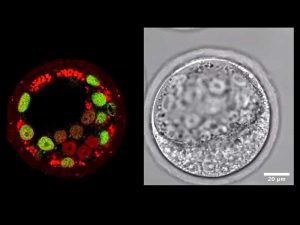
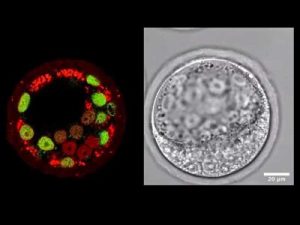
To address these fundamental questions, we focus on understanding mammalian oogenesis, the formation of eggs (oocytes) that provide the bulk genetic and cytoplasmic materials for successful reproduction. The growth of functional oocytes is characterised by their correct size and number, which are tightly controlled during oogenesis. However the underlying mechanisms, particularly how the mechanics of the oocyte microenvironment can influence its development, remain poorly understood. In our lab, we will develop biomechanical tools to map out the mechanical interactions between the oocyte, its surrounding somatic cells and the ovarian tissue. We will also utilise advanced deep tissue imaging techniques to study follicle dynamics in vivo. Eventually we will combine these insights with synthetic biomimetics, biophysical and genetic manipulations, and mathematical modelling to understand the mechanical and molecular mechanisms regulating oogenesis.
An important, albeit understudied aspect is the role of tissue hydraulics in development. We have recently shown that luminal pressure plays a critical role in regulating the tissue size and cell fate specification of mouse blastocysts (Nature 2019, https://doi.org/10.1038/s41586-019-1309-x). In mammalian oogenesis, a similar process occurs where a fluid-filled cavity emerges at the antral follicle stage. Our lab will study the dynamics and mechanisms of luminogenesis, and investigate how luminal pressure and signalling collectively influence the oocyte development. Another aspect where hydraulics may play a role in oogenesis is the formation of germline cysts in the fetal ovaries. How these interconnected germ cells undergo death and cyst breakup prior to birth remains unknown. We hypothesize that this process may be driven by pressure-induced fluid exchange between the germ cells, and will test this hypothesis using quantitative imaging, biophysics and developmental genetics.
The ultimate goal of the lab is to extend these understanding to other mammalian species and identify common principles underlying oogenesis. A quantitative understanding of the mechanical aspects of oogenesis will deepen our understanding of reproductive biology and ageing and have important implications for regenerative medicine and tissue engineering.
More Information:
10-03C, Level 10 T-Lab
National University of Singapore
5A Engineering Drive 1
Singapore 117411
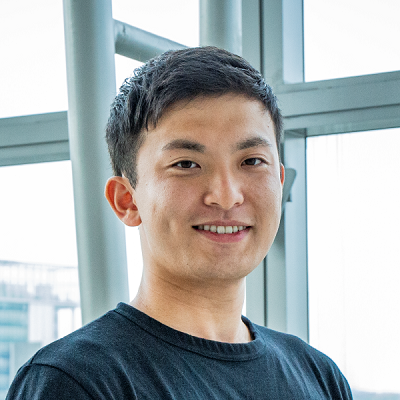
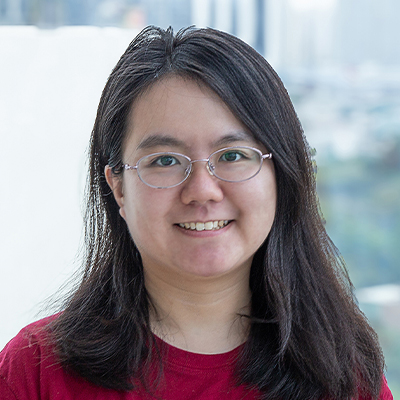
Chii Jou (Joe) Chan was trained in theoretical soft matter physics at the University of Cambridge (B.A., M.Phil.). For his Ph.D. with Prof. Jochen Guck at Cambridge and TU Dresden (Germany), he studied the mechanical and optical properties of living cells and nuclei, using biomechanical tools (optical stretcher, microfluidics) and biophotonics. Inspired by how physical forces shape early development of living organisms, he joined the group of Dr. Takashi Hiiragi as an EIPOD fellow at EMBL Heidelberg (Germany), where he made a major discovery in hydraulic regulation of mouse embryo size and cell fate specification. His interdisciplinary productivity is reflected in the diversity of his collaborators (cell and developmental biologists, experimental biophysicists, theorists) across the world. Joe was awarded the Singaporean Teaching and Academic Research Talent (START) Inauguration Grant from the MOE and NUS, and will launch his research group at MBI and NUS Department of Biological Sciences in Jan 2021.
B.A., M.Sc. (First Class Honours), University of Cambridge, UK
M.Phil., University of Cambridge, UK
Ph.D., University of Cambridge, UK
LSM2234 – Introduction to Quantitative Biology
LSM3236 – Pattern Formation and Self-organisation in Biology
LSM4252 – Reproductive Biology
Consultation hours: Friday 2-4pm