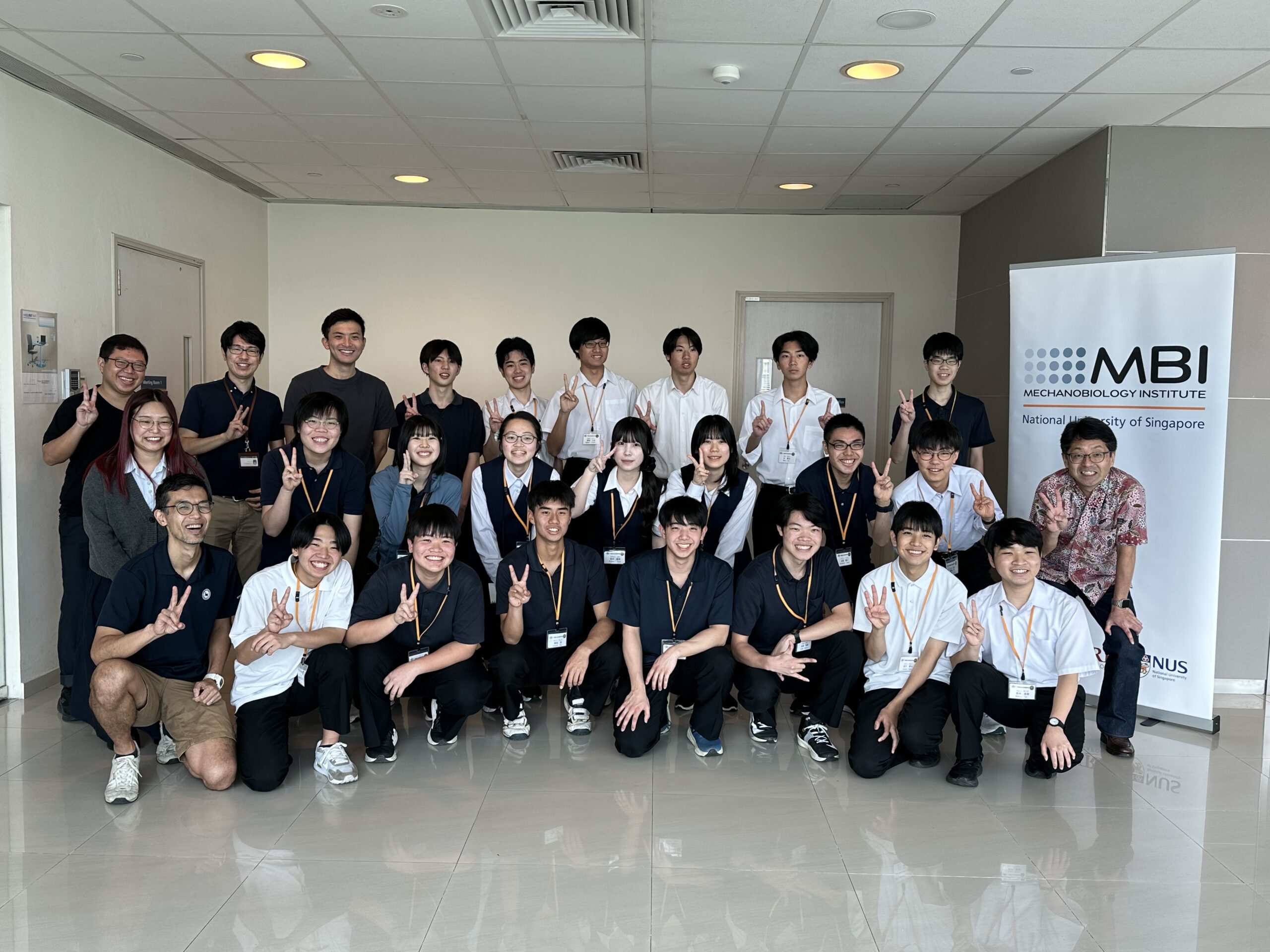
MBI welcomed students from Sakura High School, Chiba, Japan on 22 January 2026 for an outreach session aimed to spark curiosity about mechanobiology and potential research career pathways. The visit aligned with MBI’s efforts to engage young minds and foster international scientific exchange.
The programme began with a warm introduction by principal investigators Tsuyoshi Hirashima and Yusuke Toyama, who shared insights into their research journeys and what it means to work as scientists in a global, interdisciplinary research environment. Through their sharing, students gained an overview of mechanobiology as a field and learned how interdisciplinary research can provide a wider perspective on complex biological questions with real-world relevance.
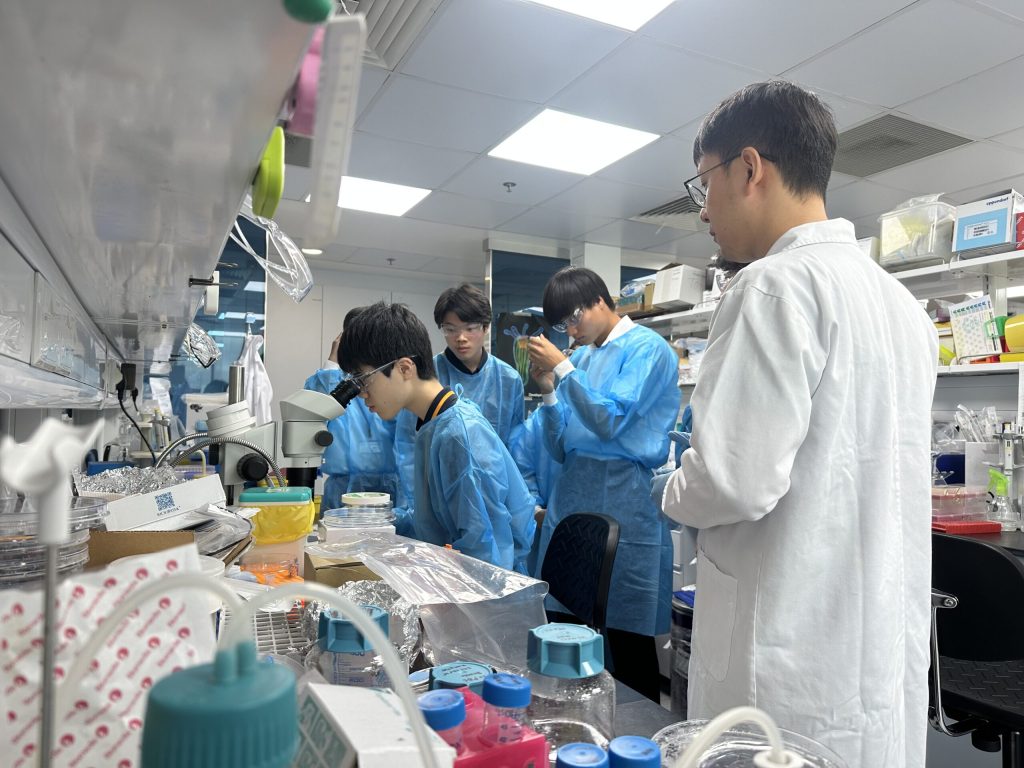
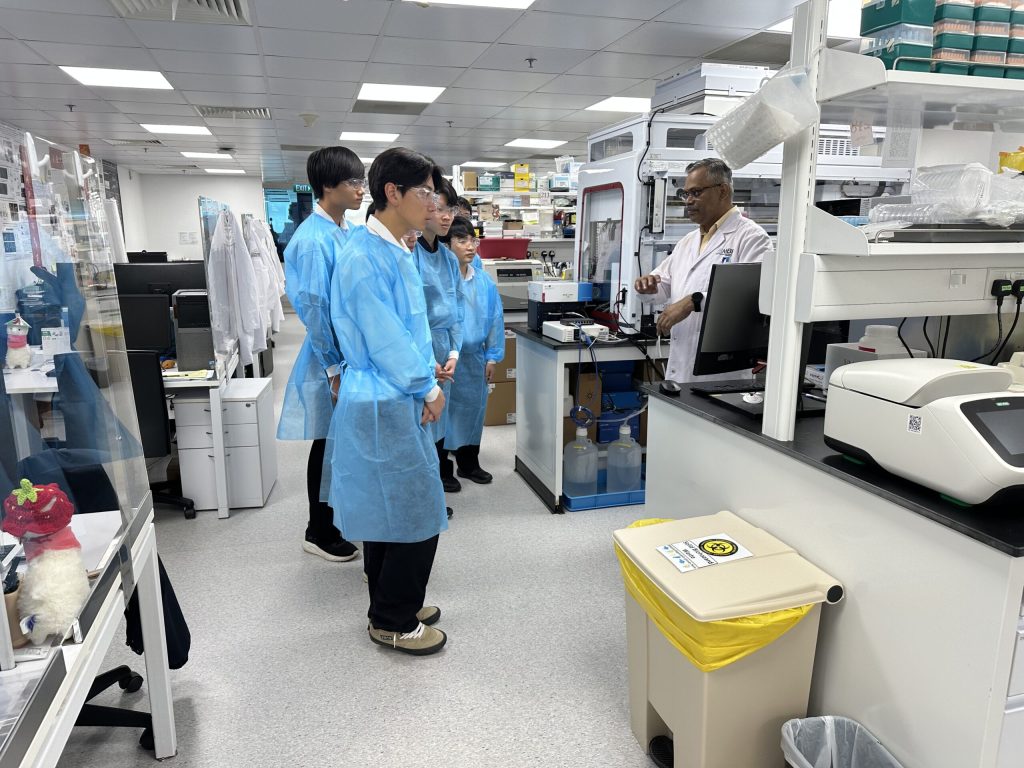
Following the introduction, the students toured the Hirashima and Toyama laboratories, where lab members introduced the core ideas behind their ongoing research projects. Using accessible examples and demonstrations, researchers explained how interdisciplinary approaches—bridging biology, physics, and engineering—are essential to their work in understanding how different cell types and tissues sense and respond to mechanical forces. The lab visits gave students a behind-the-scenes look at daily research life and the collaborative nature of modern science.
Another highlight of the visit was a tour of the HMG core facility, where students were introduced to high-throughput experimental systems and advanced microscopy platforms. These demonstrations showcased how cutting-edge technologies are used to analyse cells and biological processes at both high resolution and large scale, offering students rare first-hand exposure to tools that drive today’s biomedical discoveries.
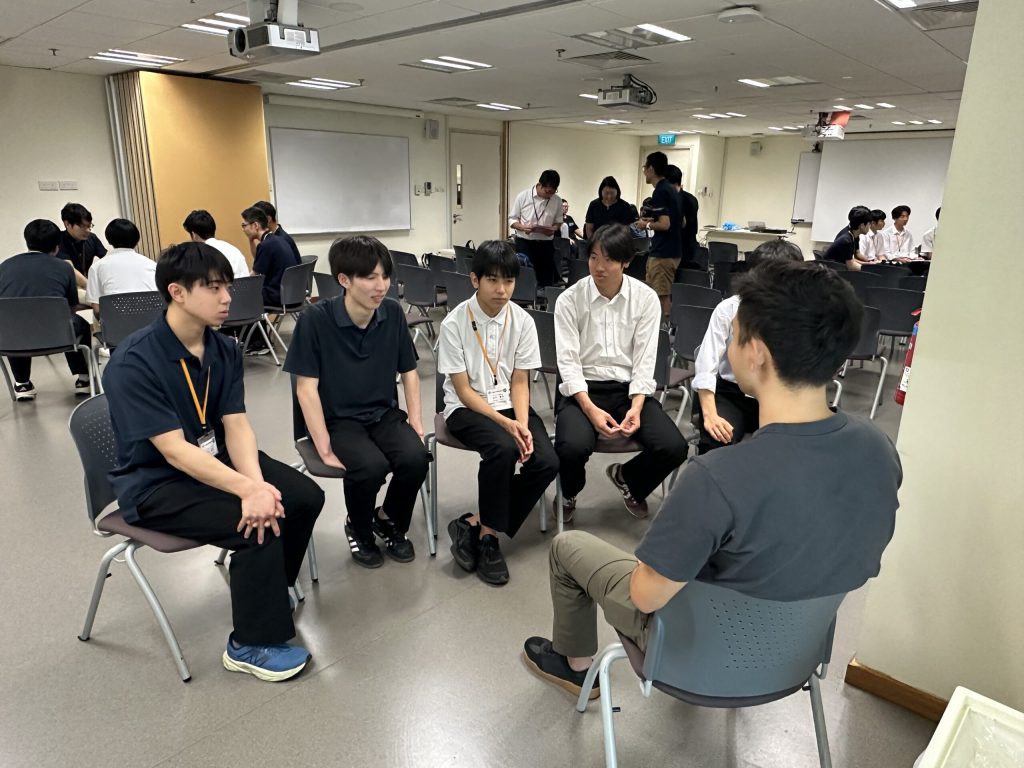
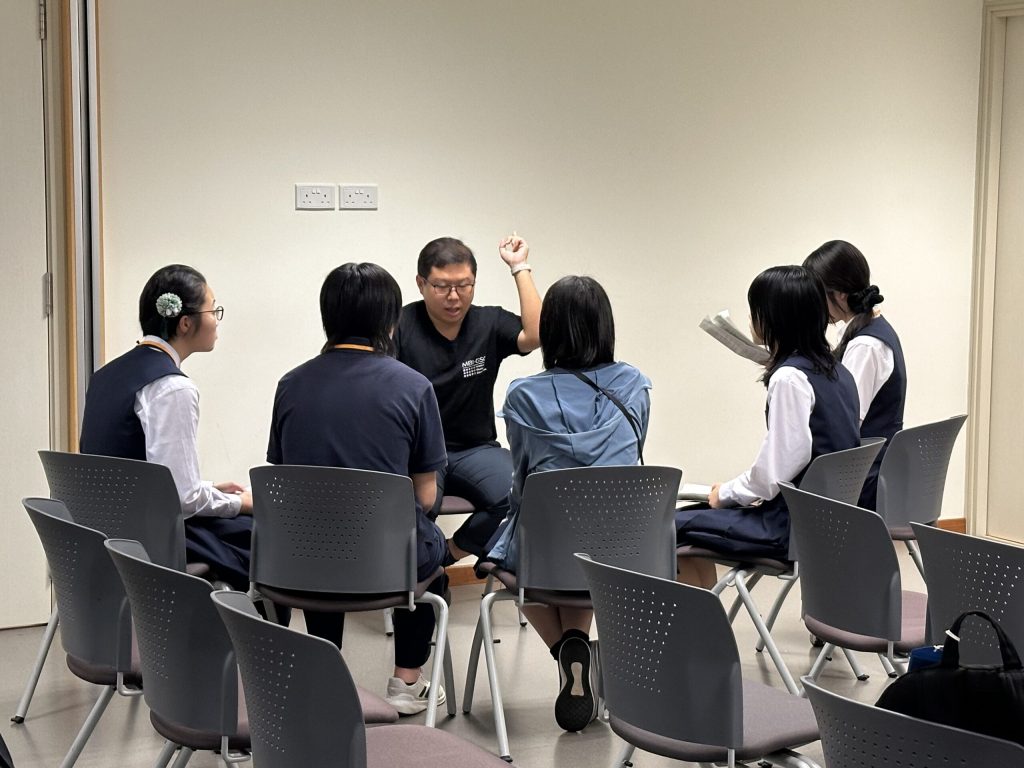
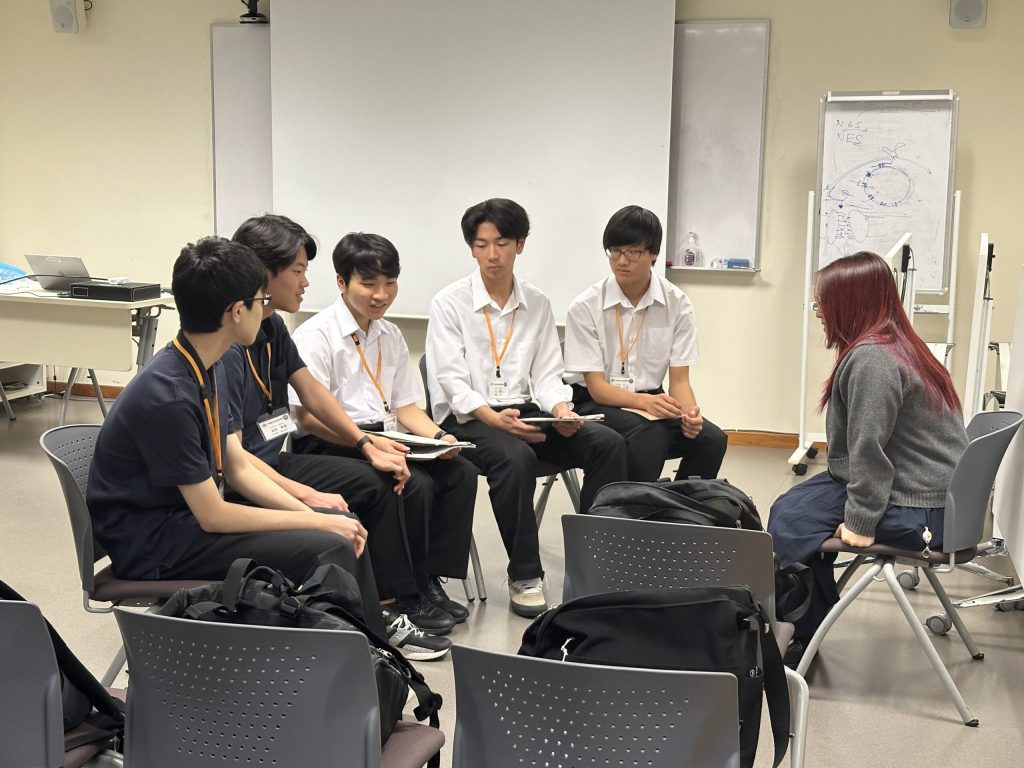
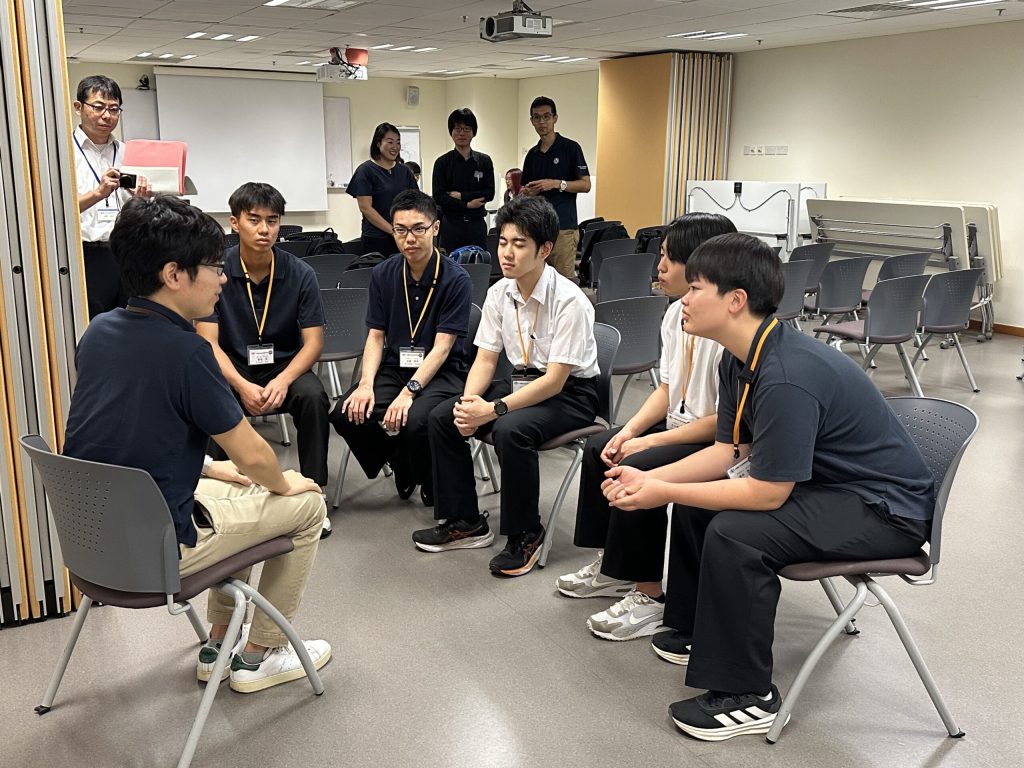
The outreach visit concluded with an interactive Q&A session with postdoctoral researchers and research fellows from both labs. Students asked thoughtful questions about research training, career paths, and life as a scientist, leading to an engaging and inspiring discussion. The session encouraged students to think broadly about their future studies and to consider interdisciplinary careers in science, technology, and research.
Overall, the visit provided a memorable learning experience and reflected MBI’s commitment to nurturing the next generation of scientists through outreach, mentorship, and international engagement.