← Go Back

EASMB Symposium 2025 Showcases Global Participation and Relevance

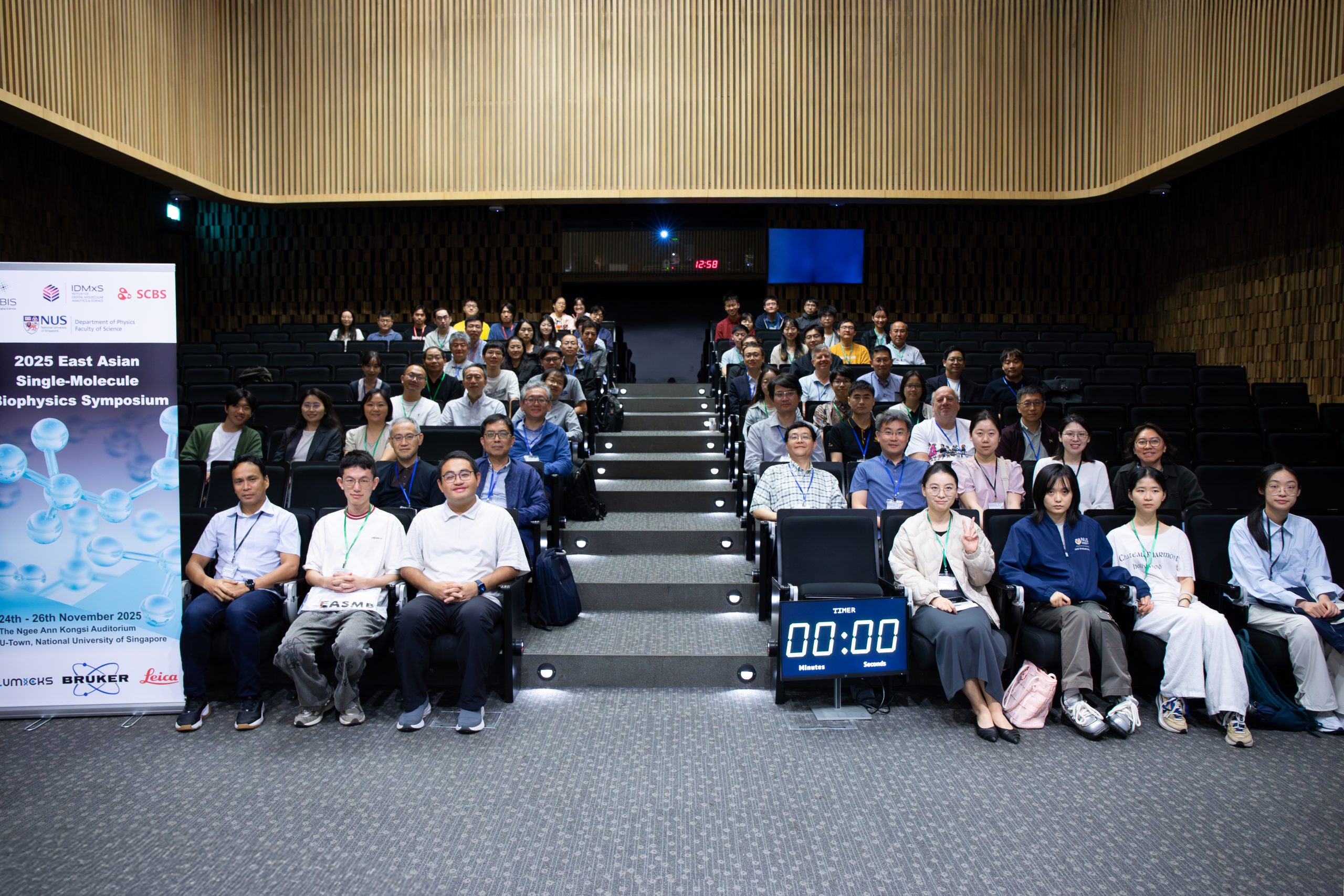
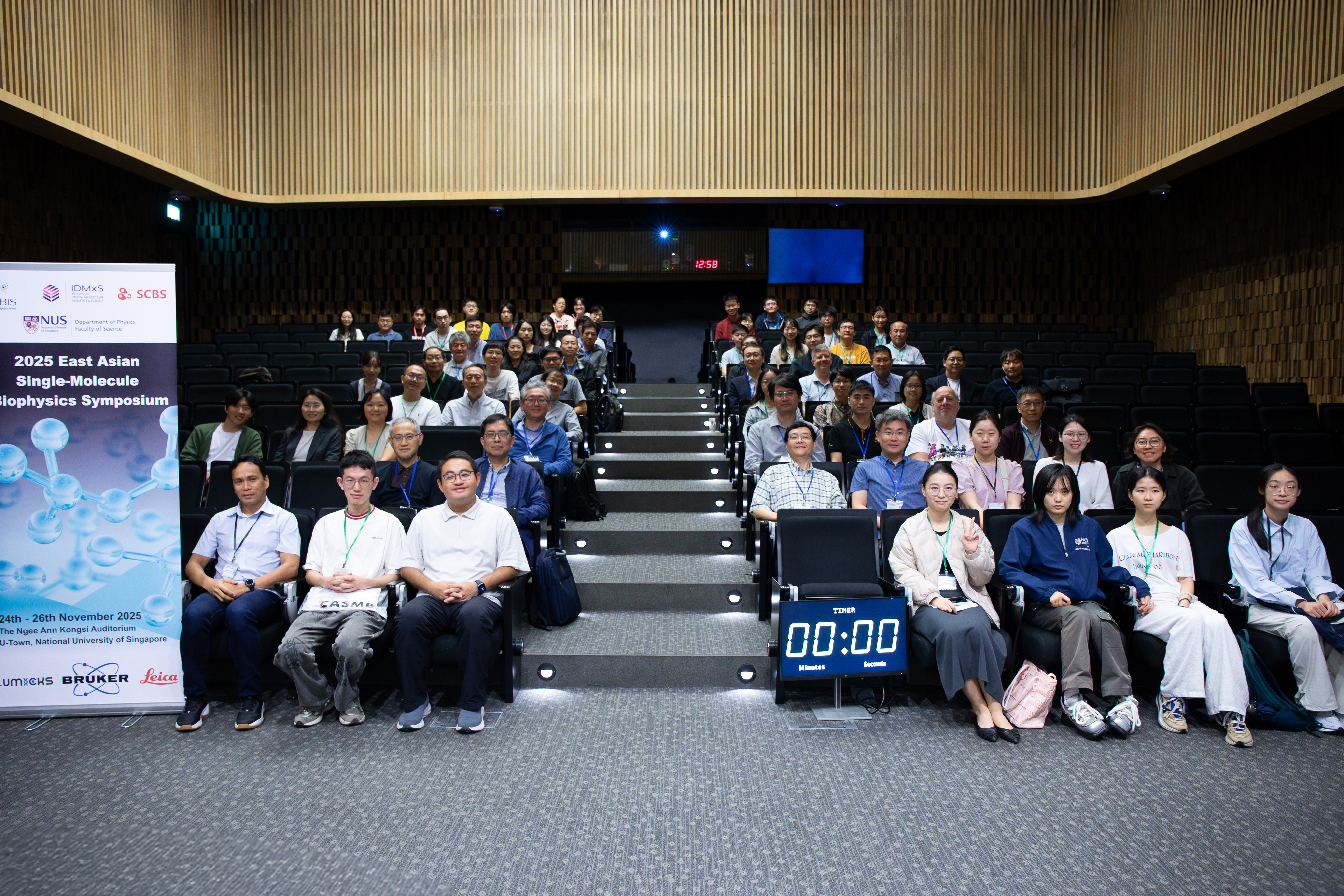
The East Asian Single-Molecule Biophysics Symposium 2025 (EASMB2025) was held from 24 to 26 November at the Ngee Ann Kongsi Auditorium in the Education Resource Centre, UTown, National University of Singapore. Chaired by Jie Yan, MBI and jointly organized with various institutions across South Korea, China, and Japan, the symposium showcased cutting-edge advances in single‑molecule biophysics across technology development, nucleic acids, mechanosensing, molecular motors, and biomolecular organization.

Across nine thematic sessions, the program featured 27 invited talks, nine selected short talks, and poster sessions that complemented the oral program, highlighting a diverse range of single‑molecule methods and applications. Participation was strong across East Asia, with international contributors—including those from Canada—underscoring the symposium’s broad regional reach and global relevance.
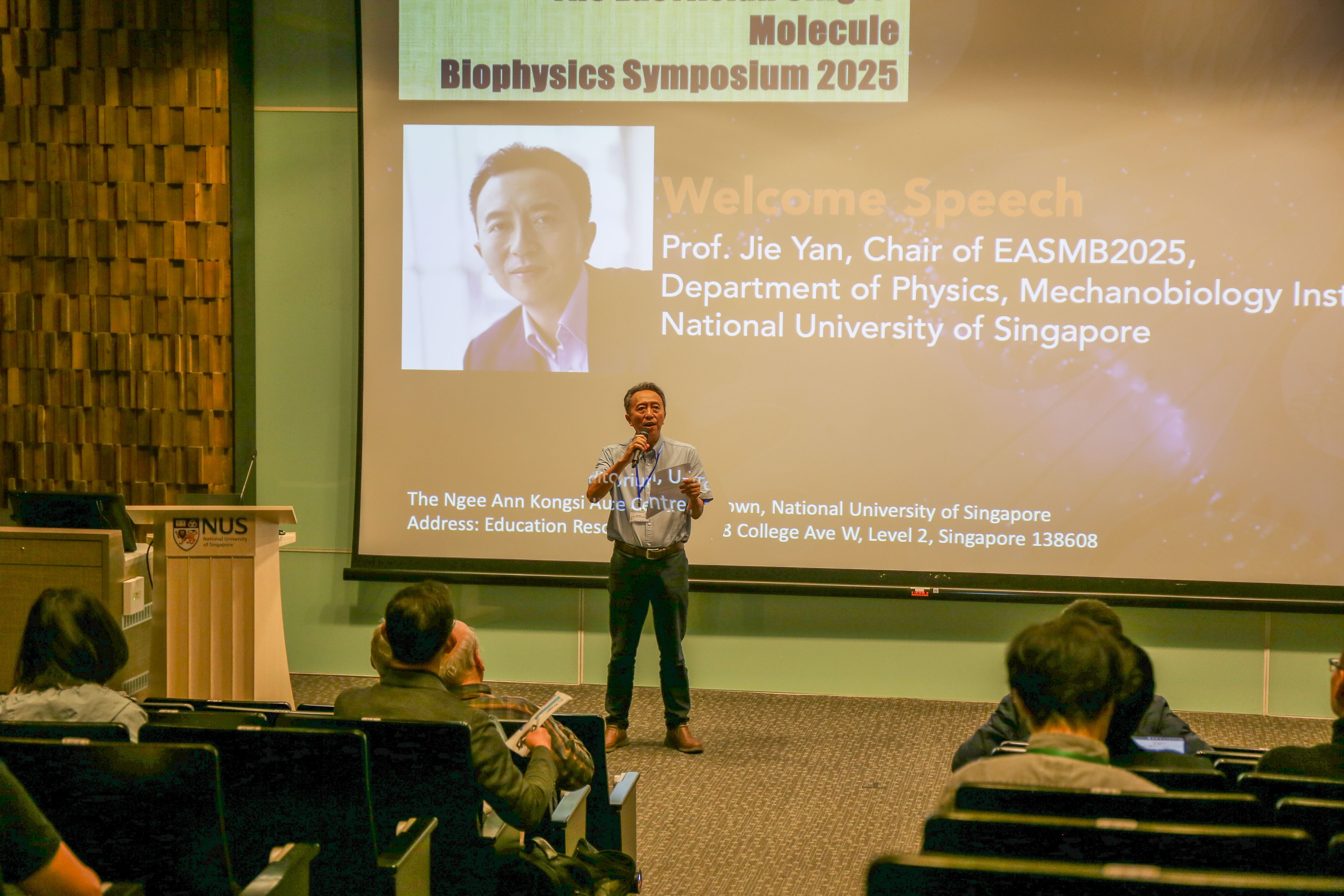
The scientific program reflected the field’s breadth and momentum, spanning next‑generation imaging, nucleic acids, molecular motors, mechanosensing, interfaces, and nanopores. Highlights included high‑precision live‑cell mapping; insights into force‑ and environment‑dependent control of recombination, replication, and chromatin; demonstrations of autonomous DNA motor–origami constructs and multi‑motor axonal transport; discoveries in mechanically tuned adhesion signaling; links between interfacial fields and condensates; and advances in multiplex single‑molecule sensing. Audience engagement was energetic throughout, with lively Q&A across sessions and posters.

Looking ahead, the next EASMB meeting will be hosted in Okinawa, where the community will continue to deepen regional collaboration and showcase new breakthroughs in single‑molecule biophysics. We look forward to your participation.
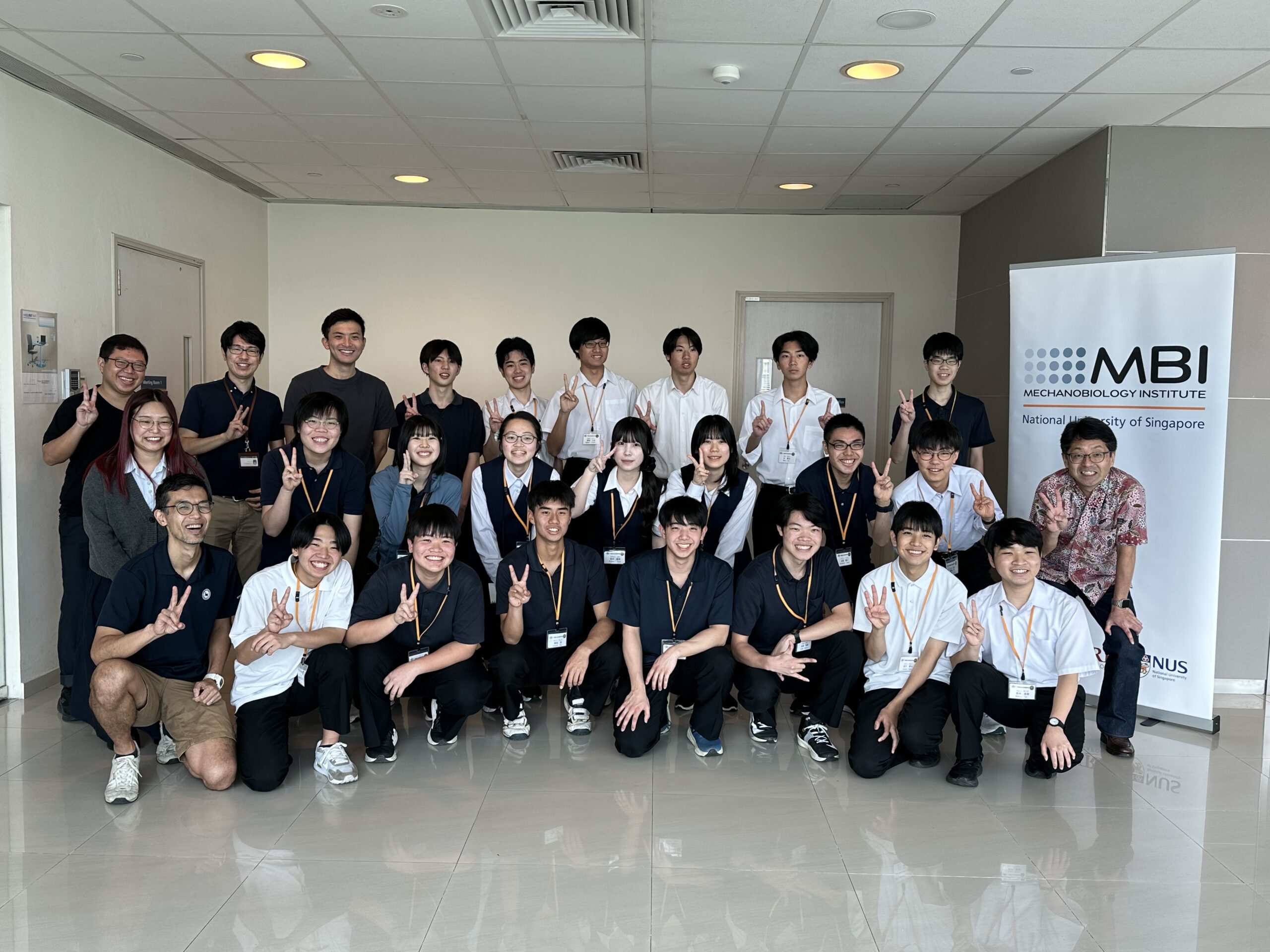
The East Asian Single-Molecule Biophysics Symposium 2025 (EASMB2025) held from 24 to 26 November at the Ngee Ann Kongsi Auditorium in the Education Resource Centre, UTown, National University of Singapore showcased global participation and relevance.

Related Articles

MBI Hosts Students from Sakura High School!

MBI hosted students from Sakura High School, Chiba, Japan on 22nd January 2026 for an outreach session designed to spark curiosity about mechanobiology and research careers.

Violet vs. Blue: Controlling Mechanotransduction with a Single-protein Light Switch

In a study published in the Journal of Cell Science, led by Ryosuke Nishimura at the Mechanobiology Institute, NUS, researchers developed an optogenetic tool to precisely manipulate talin’s structure and observe the resulting cellular behavior.

EASMB Symposium 2025 Showcases Global Participation and Relevance

The East Asian Single-Molecule Biophysics Symposium 2025 (EASMB2025) held from 24 to 26 November at the Ngee Ann Kongsi Auditorium in the Education Resource Centre, UTown, National University of Singapore showcased global participation and relevance.

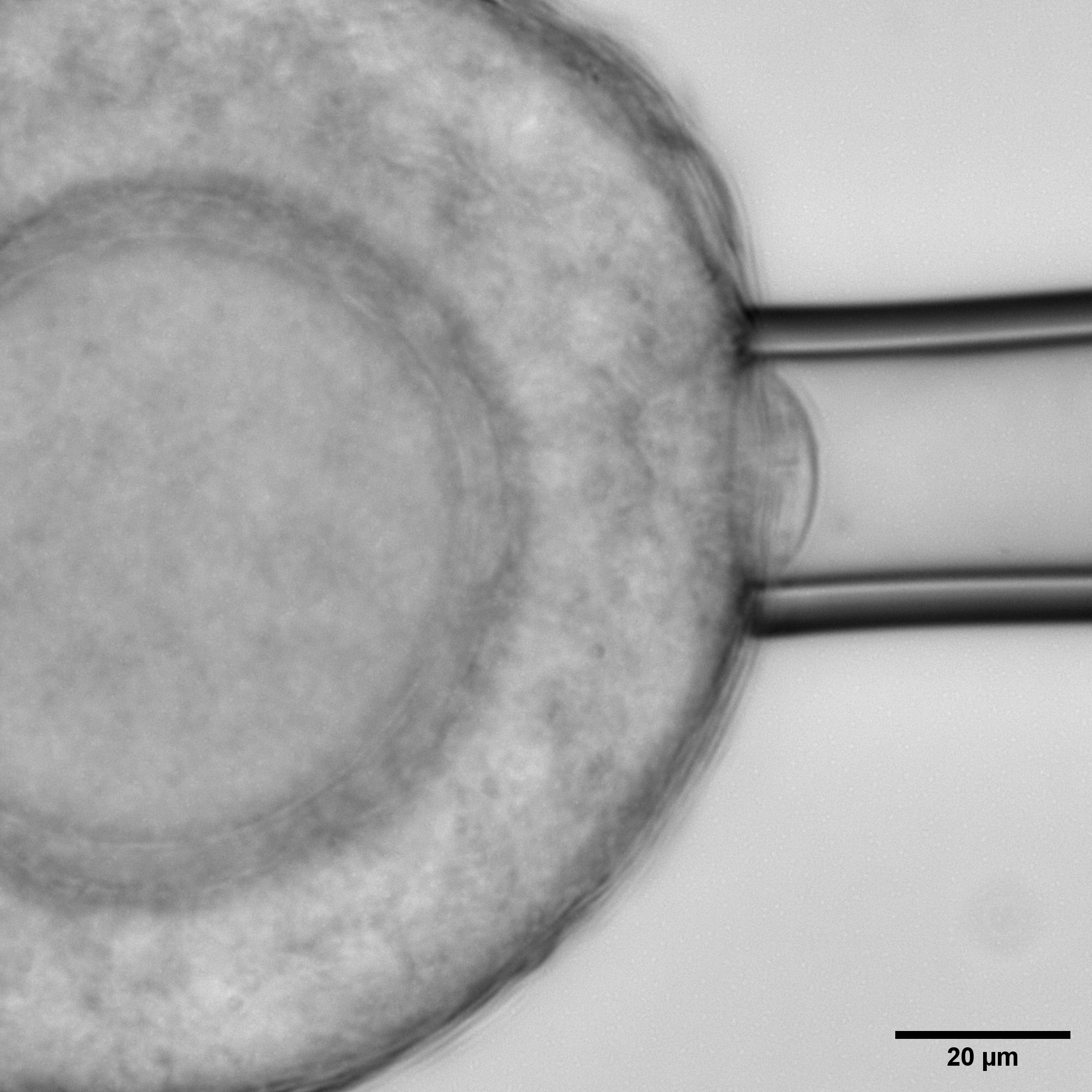
The Pressure That Shapes Life: Mechanical Forces Behind Egg Maturation

Researchers from the Chan Lab at MBI demonstrate the importance of compressive stress exhibited by theca cells in healthy follicle maturation and surrounding support cells, suggesting a new perspective in understanding infertility.

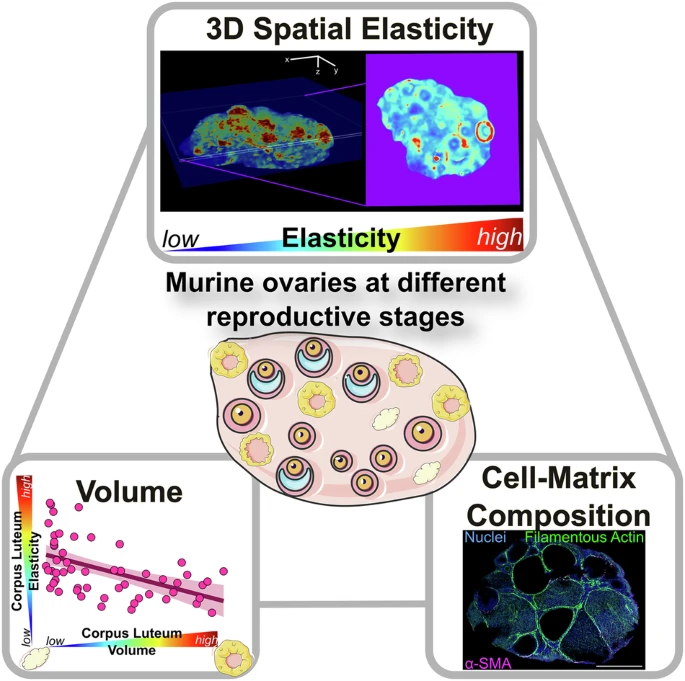
Quantitative Micro-Elastography: New Imaging Tool Uncovers Age-Dependent Mechanical Changes in Ovarian Tissue

Researchers from the Chan Lab at MBI develop a a novel method called quantitative micro-elastography to create detailed 3D maps of ovarian stiffness in mice—revealing crucial insights that could lead to new infertility treatments.

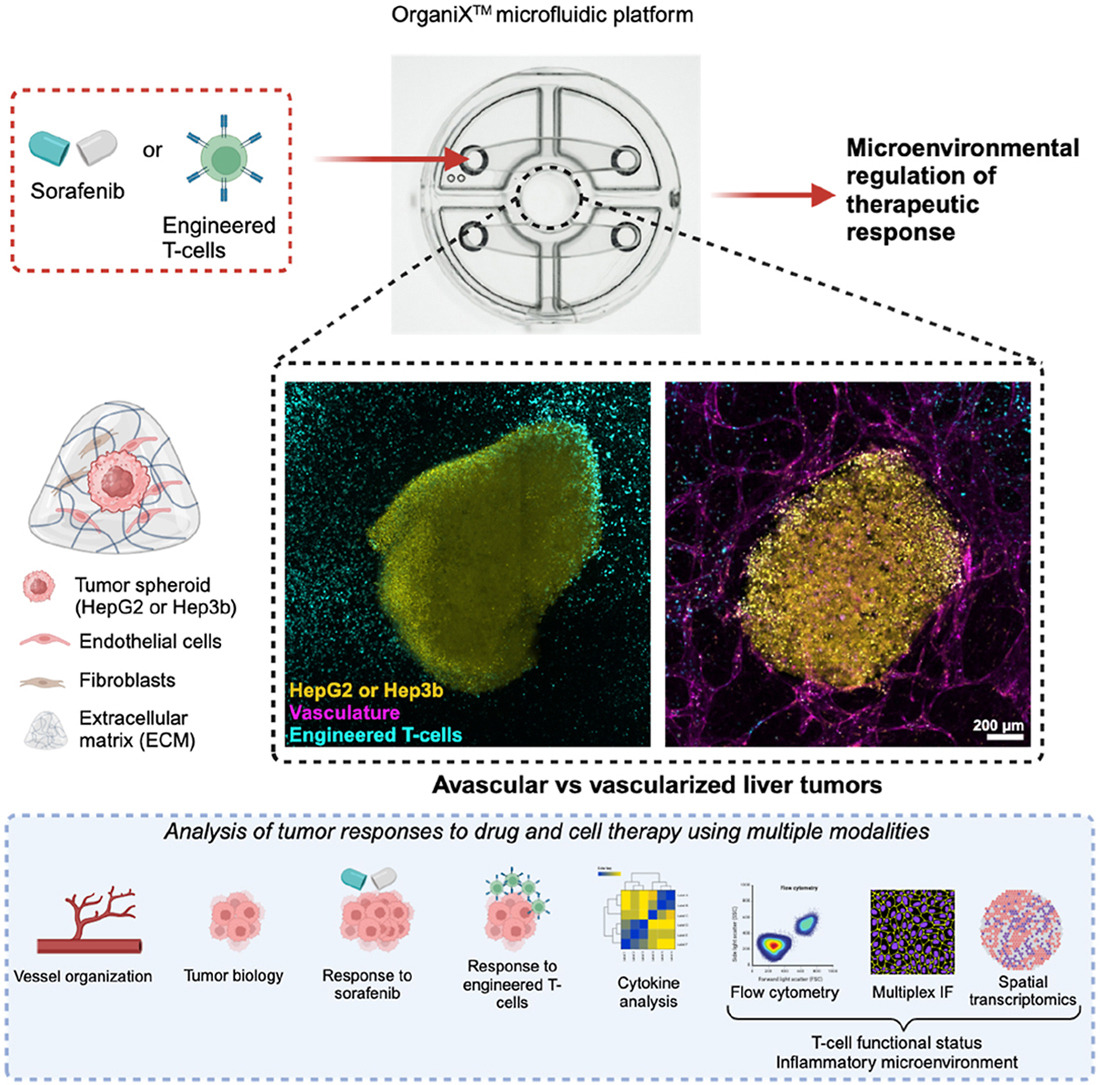
Tumor-on-a-chip Shows How Microenvironment Architecture Affects Liver Cancer Therapies

Researchers from the Pavesi Group at the Mechanobiology Institute, NUS develops in vitro models of liver tumors to study how the presence of vasculature networks affect cancer therapies.