Cell Dynamics and Mechanics in Development Aging and Adaptation

The Rong Li Lab

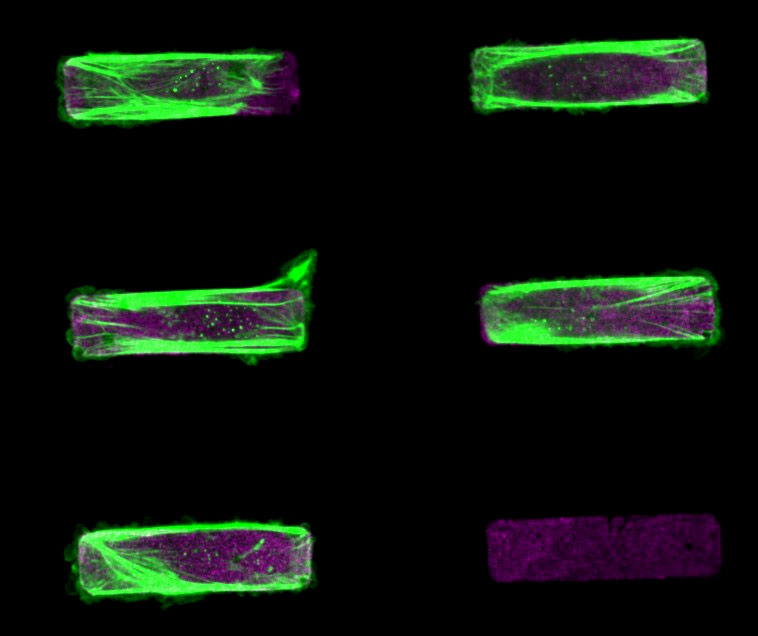
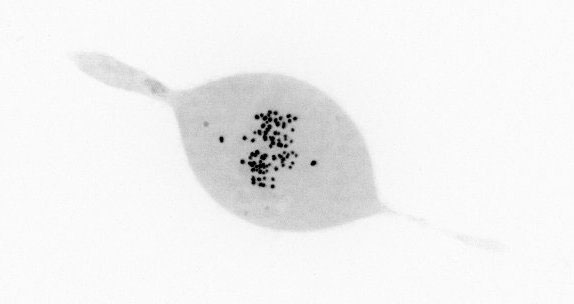
The diverse projects in Professor Rong Li’s lab contribute to two main research thrusts: cell and tissue aging; cellular and organismal adaptation.

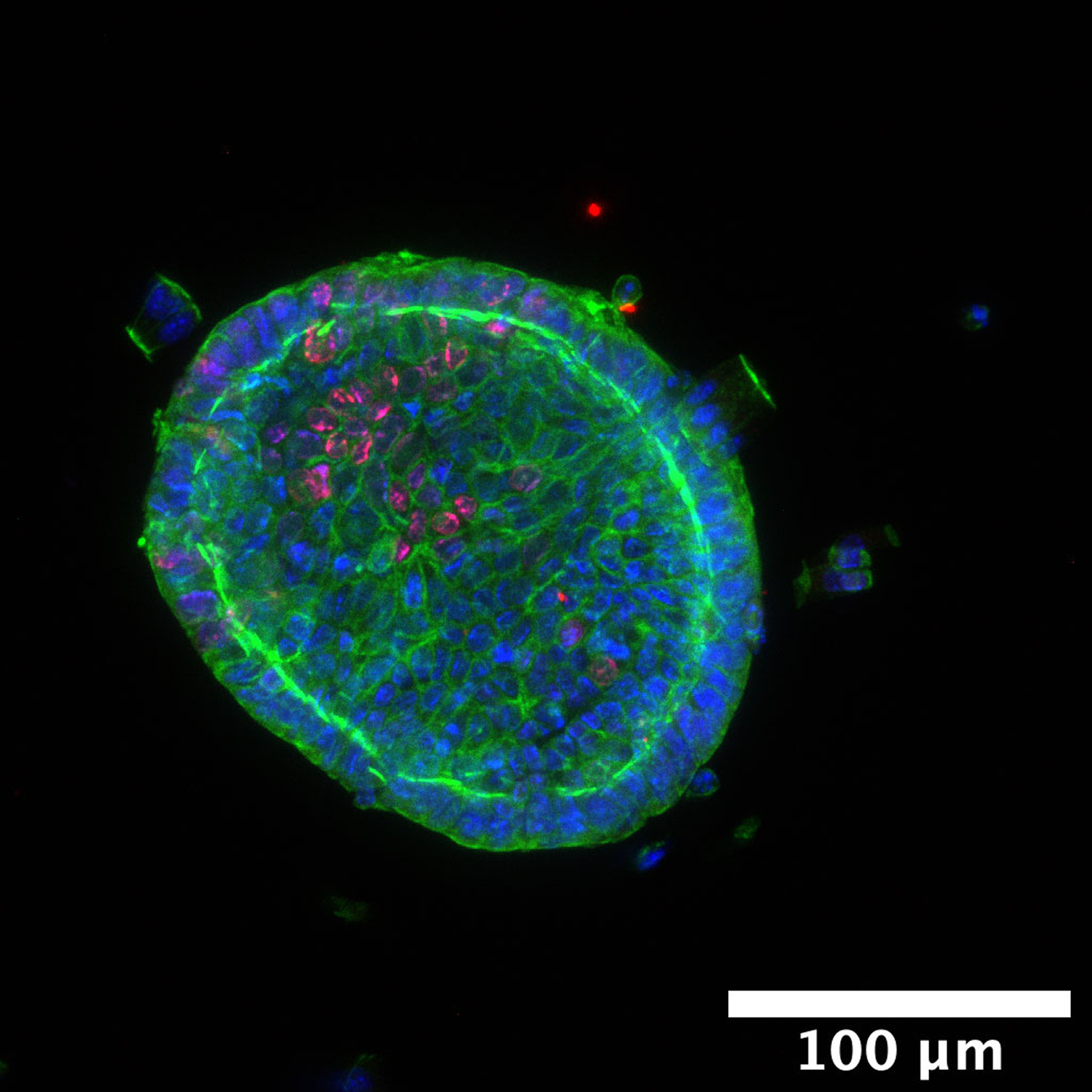
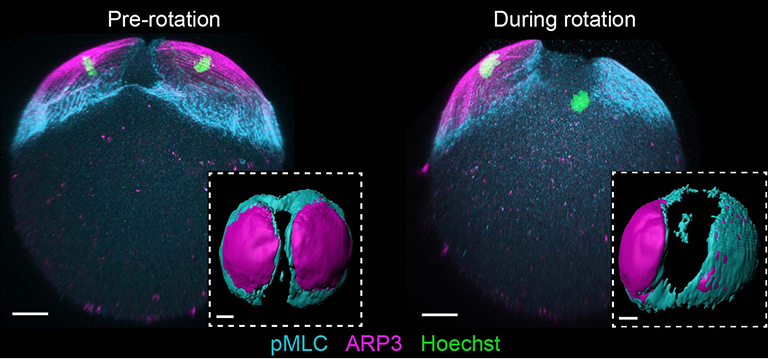
The study on aging focuses on understanding dynamic changes of crucial cellular components during the aging process and how these changes alter the mechanical functions of cells and tissues. The insights gained will be applied to the development of new methods for prolonging healthy aging and the repair and regeneration of deteriorated functions.

The study of adaptation aims to understand the dynamics of genetic and epigenetic determinants of cells and tissues under acute or chronic stress which lead to adaptive behaviors ultimately beneficial or detrimental to the fitness of the organism. A potential application of the discoveries in this area is the prevention of cancer associated with chronic inflammatory diseases.

The Li lab is based at the Mechanobiology Institute, National University of Singapore, a Research Centre of Excellence. The Rong Li Lab: Cellular Asymmetry, Division & Evolution is located at John’s Hopkins at ronglilab.johnshopkins.edu.


The study on aging focuses on understanding dynamic changes of crucial cellular components during the aging process and how these changes alter the mechanical functions of cells and tissues. The insights gained will be applied to the development of new methods for prolonging healthy aging and the repair and regeneration of deteriorated functions.

The study of adaptation aims to understand the dynamics of genetic and epigenetic determinants of cells and tissues under acute or chronic stress which lead to adaptive behaviors ultimately beneficial or detrimental to the fitness of the organism. A potential application of the discoveries in this area is the prevention of cancer associated with chronic inflammatory diseases.

The Li lab is based at the Mechanobiology Institute, National University of Singapore, a Research Centre of Excellence. The Rong Li Lab: Cellular Asymmetry, Division & Evolution is located at John’s Hopkins at ronglilab.johnshopkins.edu.
The study on aging focuses on understanding dynamic changes of crucial cellular components during the aging process and how these changes alter the mechanical functions of cells and tissues. The insights gained will be applied to the development of new methods for prolonging healthy aging and the repair and regeneration of deteriorated functions.

The study of adaptation aims to understand the dynamics of genetic and epigenetic determinants of cells and tissues under acute or chronic stress which lead to adaptive behaviors ultimately beneficial or detrimental to the fitness of the organism. A potential application of the discoveries in this area is the prevention of cancer associated with chronic inflammatory diseases.

The Li lab is based at the Mechanobiology Institute, National University of Singapore, a Research Centre of Excellence. The Rong Li Lab: Cellular Asymmetry, Division & Evolution is located at John’s Hopkins at ronglilab.johnshopkins.edu.
The study on aging focuses on understanding dynamic changes of crucial cellular components during the aging process and how these changes alter the mechanical functions of cells and tissues. The insights gained will be applied to the development of new methods for prolonging healthy aging and the repair and regeneration of deteriorated functions.

The study of adaptation aims to understand the dynamics of genetic and epigenetic determinants of cells and tissues under acute or chronic stress which lead to adaptive behaviors ultimately beneficial or detrimental to the fitness of the organism. A potential application of the discoveries in this area is the prevention of cancer associated with chronic inflammatory diseases.

The Li lab is based at the Mechanobiology Institute, National University of Singapore, a Research Centre of Excellence. The Rong Li Lab: Cellular Asymmetry, Division & Evolution is located at John’s Hopkins at ronglilab.johnshopkins.edu.
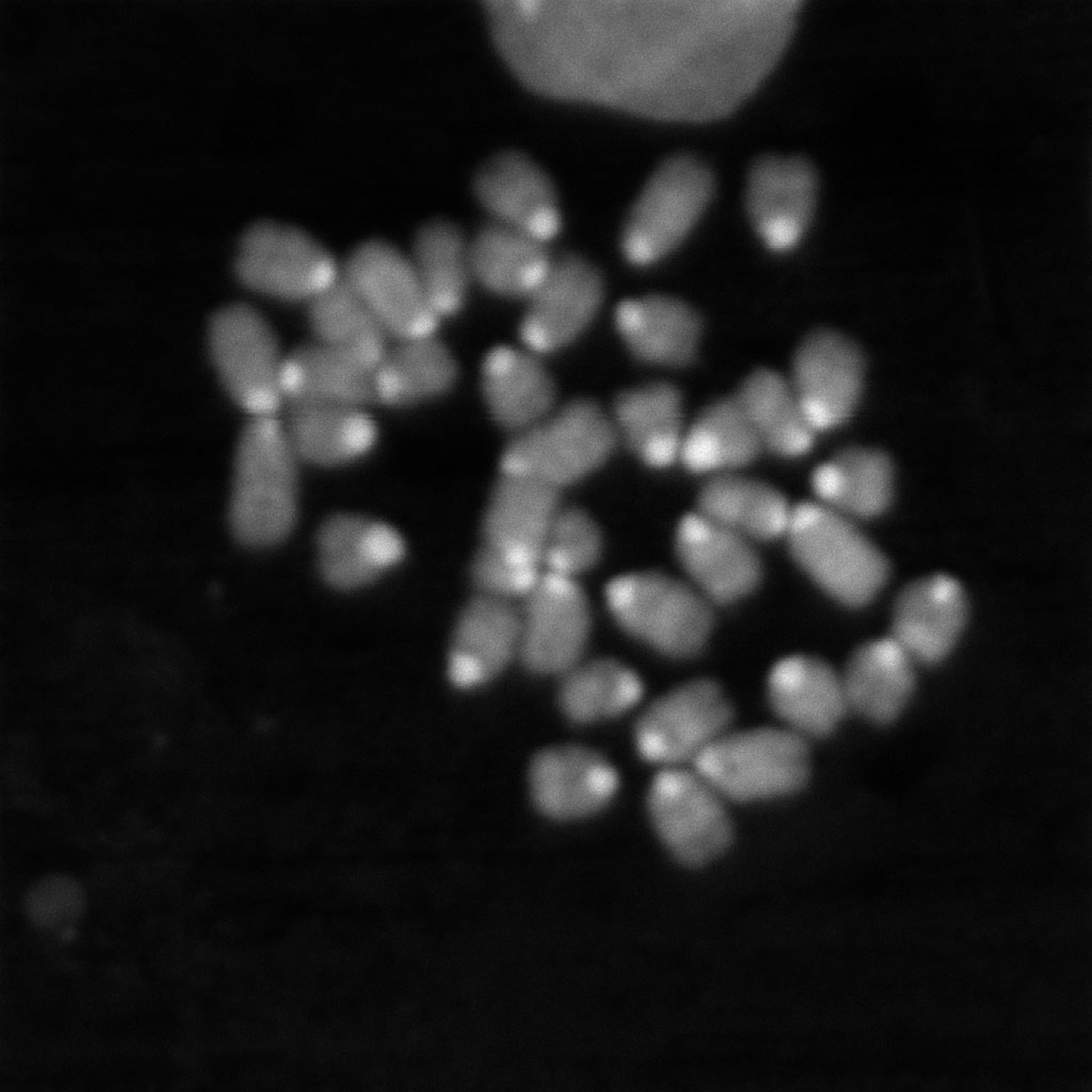
The study on aging focuses on understanding dynamic changes of crucial cellular components during the aging process and how these changes alter the mechanical functions of cells and tissues. The insights gained will be applied to the development of new methods for prolonging healthy aging and the repair and regeneration of deteriorated functions.

The study on aging focuses on understanding dynamic changes of crucial cellular components during the aging process and how these changes alter the mechanical functions of cells and tissues. The insights gained will be applied to the development of new methods for prolonging healthy aging and the repair and regeneration of deteriorated functions.

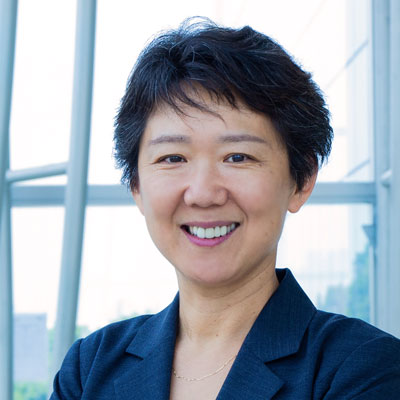
About Rong Li

The study on aging focuses on understanding dynamic changes of crucial cellular components during the aging process and how these changes alter the mechanical functions of cells and tissues. The insights gained will be applied to the development of new methods for prolonging healthy aging and the repair and regeneration of deteriorated functions.

10-03C, Level 10 T-Lab
National University of Singapore
5A Engineering Drive 1
Singapore 117411

Rong Li Lab: Cell Dynamics and Mechanics in Development, Aging and Adaptation

Rong Li Lab (Johns Hopkins): Cellular asymmetry, division & evolution

Recent Publications

  1. Lu Y, Walji T, Pandey P, Zhou C, Habela CW, Snapper SB, Li R, and Chen EH. Branched actin polymerization drives invasive protrusion formation to promote myoblast fusion during mouse skeletal muscle regeneration. Elife 2026; 14. [PMID: 41608858]
  2. Liu AZ, Narkar A, Li K, Bertomeu T, Johnson BA, Coulombe-Huntington J, Dong Y, Zhu J, Tyers M, and Li R. The scaffold protein PRR14L links the PP2A-TACC3 axis to mitotic fidelity and sensitivity to MPS1 inhibition. bioRxiv 2025;. [PMID: 41279925]
  3. Wang H, Huang Z, Shen X, Lee Y, Song X, Shu C, Wu LH, Pakkiri LS, Lim PL, Zhang X, Drum CL, Zhu J, and Li R. Publisher Correction: Rejuvenation of aged oocyte through exposure to young follicular microenvironment. Nat Aging 2025;. [PMID: 40987959]
  4. Lee Y, Shen X, Dreesen O, Zhua J, and Li R. Dysregulation of Extracellular Fibronectin and 5-integrin in Dermal Aging. Mol Biol Cell 2025;:mbcE25020074. [PMID: 40560397]
  5. Zhu J, Chan SJW, Cui H, Mikhalovsky AA, Garcia FL, Goh BYW, Soh WWM, Moreland AS, Limwongyut J, Shyamasundar S, Wu Y, Liang F, Li R, and Bazan GC. Mechanosensitive Conjugated Oligoelectrolytes for Visualizing Temporal Changes in Live Cells. Angew Chem Int Ed Engl 2025;:e202506396. [PMID: 40325862]
  6. Liu S, Meng Y, Lan X, Li R, and Kanchanawong P. Ground-state pluripotent stem cells are characterized by Rac1-dependent Cadherin-enriched F-actin Complexes. J Cell Sci 2025;. [PMID: 39886806]
  7. Li Y, Ong HT, Cui H, Gao X, Lee JWN, Guo Y, Li R, Pennacchio FA, Maiuri P, Efremov AK, and Holle AW. Confinement-sensitive volume regulation dynamics via high-speed nuclear morphological measurements. Proc Natl Acad Sci U S A 2024; 121(52):e2408595121. [PMID: 39700138]
  8. Lu Y, Walji T, Ravaux B, Pandey P, Yang C, Li B, Luvsanjav D, Lam KH, Zhang R, Luo Z, Zhou C, Habela CW, Snapper SB, Li R, Goldhamer DJ, Schmidtke DW, Pan D, Svitkina TM, and Chen EH. Spatiotemporal coordination of actin regulators generates invasive protrusions in cell-cell fusion. Nat Cell Biol 2024;. [PMID: 39487253]
  9. Wu H, Wang LC, Sow BM, Leow D, Zhu J, Gallo KM, Wilsbach K, Gupta R, Ostrow LW, Yeo CJJ, Sobota RM, and Li R. TDP43 aggregation at ER-exit sites impairs ER-to-Golgi transport. Nat Commun 2024; 15(1):9026. [PMID: 39424779]
  10. Lu Y, Walji T, Pandey P, Zhou C, Habela CW, Snapper SB, Li R, and Chen EH. Branched actin polymerization drives invasive protrusion formation to promote myoblast fusion during skeletal muscle regeneration. bioRxiv 2024;. [PMID: 39416162]

Lab Members

Lim Choon Kiat

Senior Research Fellow, Li Group

ZHUANG Zirui

PhD Student, Class of August 2025, Li Group

QUAN Cheng

PhD Student, Class of August 2025, Li Group

Hannah Fung

Research Fellow, Li Group

Goh Jia Lin Kellisa

PhD Student, Class of August 2024, Li Group

Ivo Johannes Hendrikus Marie de Vos

Research Fellow, Li Group

Xiaohong Yao

Research Fellow, Li Group

Sujana Andra

Research Assistant, Li Group

Li Keming

PhD Student, Class of August 2022, Li Group

Lan Xi

PhD Student, Class of August 2022, Li Group

Stefan Mueller

Research Fellow, Li Group
Li Lab_Cui Hongyue

Cui Hongyue

PhD Student, Class of August 2021, Li Group
Li Lab_Shu Chang

Shu Chang

PhD Student, Class of August 2021, Li Group

Seah Kwi Shan

Research Fellow, Li Group

Shen Xingyu

PhD Student, Class of January 2021, Li Group, Young Group

Alokendra Ghosh

Schmidt AI in Science Postdoctoral Fellow, Li Group

Wong Bin Sheng

Research Fellow, Li Group